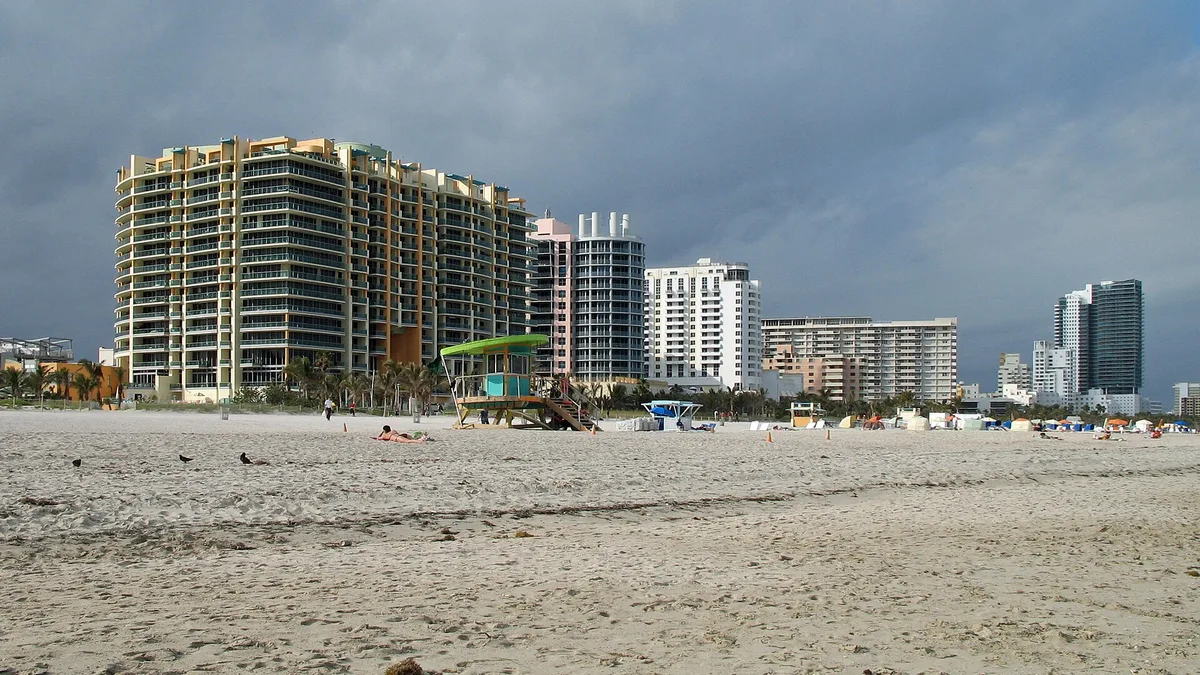
Miami Beach's 7.1 miles of beach and dunes took first place in a national Best of the Best Restored Beach vote. Seabrook Island, South Carolina, came second.
Miami Beach has won a national public vote for the country’s best restored beach. The city’s 7.1 miles of beach and dunes took first place in the “Best of the Best” Restored Beach Award from the American Shore and Beach Preservation Association.
The city announced the win in a release Thursday. The association, a national group of coastal scientists, engineers and communities, ran the vote for its 100th anniversary. It published the top 10 on Oct. 7 after receiving more than 2,800 votes.
How the vote worked
This was a popular vote, not a panel of judges. The association also gives an annual Best Restored Beach award, and this one-off vote marked its centennial. The city said 100 coastal projects were reviewed and 10 reached the final.
The association’s top 10, in order:
- Miami Beach, Florida
- Seabrook Island, South Carolina
- Rosewood Beach, Illinois
- Forest Park Beach, Illinois
- South Padre Island, Texas
- Keansburg, New Jersey
- Delray Beach, Florida
- Captiva Island, Florida
- Thompsons Beach, New Jersey
- Folly Beach, South Carolina
Delray Beach is about 45 miles north. The association’s list labels Captiva Island as South Carolina; the island is on Florida’s Gulf Coast, and the photo file on the association’s page says Florida.
The association did not publish vote counts for each beach.
Why Miami Beach’s beach counts as “restored”
Much of the sand on Miami Beach was put there. The city said its renourishment project was the oldest of the 100 reviewed. It dates to the project’s completion in 1985.
That project started a long-running regional program for beach erosion control and hurricane protection. The city said periodic renourishment since then has been a joint effort of:
- the City of Miami Beach
- Miami-Dade County
- the U.S. Army Corps of Engineers
- other state and federal partners
The work has meant pumping beach-quality sand onto badly eroded stretches to widen the beach, so it absorbs more wave energy. It also covers the dunes, their native plants and the habitat used by nesting sea turtles, the city said.
“Our beaches and dunes are more than a tourist draw. They’re our first line of defense against storms and rising seas, and I’m committed to keeping them strong for the next generation,” Mayor Steven Meiner said in the release.
Nicole Elko, the association’s executive director, called Miami Beach “the ultimate national gold standard for how large-scale beach nourishment can reverse environmental damage, provide critical storm protection and drive a historic economic turnaround.”
Amy Knowles, the city’s chief resilience officer, said renourishment “is not a one-time undertaking as sand moves naturally through coastal systems.” Keeping the shoreline usable, she said, takes long-term monitoring, periodic work and continued coordination among governments.
What it means for you
The award changes nothing on the sand, but it is a reminder of what the beach does. The city calls the beach and dunes its first line of defense against sea level rise and major storms. Renourishment is not a one-off job, so more sand work will come as the shoreline erodes.
- King tides run through Monday, Nov. 9, and return Nov. 23-26. Peak times are in our king tides guide.
- The city also offers grants toward private seawall repairs; see our seawall grants story.
For 100 years of the lifeguards who watch this beach, see our story on the Ocean Rescue centennial exhibit in Lummus Park.
Have your say